Ocean energy readiness: what the Pacific needs before the first big project
The Pacific sits in the world's largest ocean, yet almost none of its electricity comes from it. Readiness, not technology, will decide which countries benefit first.
Oct 3, 2026
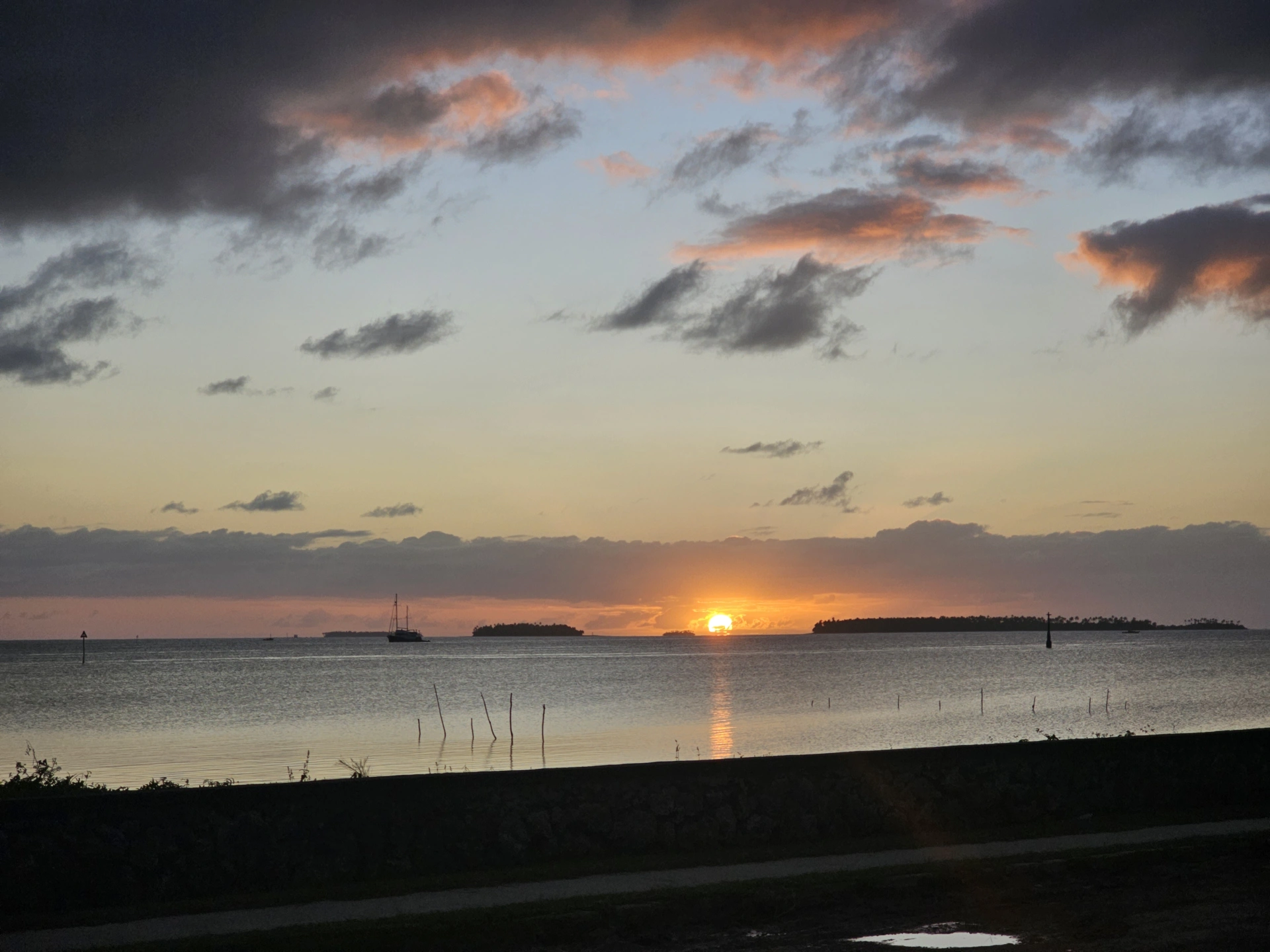
Pacific Island Countries sit in the middle of the world's largest ocean, yet almost none of their electricity comes from it. Most island grids still depend heavily on imported diesel, which leaves budgets exposed to fuel prices and shipping costs. Ocean energy, from waves, tidal currents, ocean thermal energy conversion and seawater air conditioning, is an obvious resource to look at next.
The technology question gets most of the attention. In our experience the harder question is readiness. A promising site and an interested developer are not enough if a country cannot say who controls the seabed, who approves a project, how its environmental impacts will be assessed and how it will connect to the grid.
That is the focus of the Pacific Regional Ocean Energy Readiness Programme (PROERP), which Teulava has been developing with the Pacific Centre for Renewable Energy and Energy Efficiency (PCREEE) and UNIDO. The programme was presented at the sixth Pacific Regional Energy and Transport Ministers' Meeting in Port Moresby in May 2026 and endorsed through the Manubada Call to Action.
As we see it, readiness has five parts. The first is resource data: measured wave, current and temperature data at the sites that matter, not just regional estimates. The second is policy and regulation, including marine spatial planning, licensing and clear lines of approval between energy, environment, fisheries and lands agencies. The third is safeguards suited to marine projects, with genuine consultation with coastal communities and customary owners. The fourth is grid and market readiness: whether the utility can absorb the output, and whether there is a workable framework for power purchase agreements. The fifth is people, meaning local engineers, regulators and technicians who can assess and manage projects without relying entirely on outside advisers.
Seawater air conditioning shows why this matters. Hotels and public buildings in hot coastal locations spend heavily on cooling, and a system that draws cold water from the deep ocean can cut that load sharply, as projects in French Polynesia have shown. But the intake pipe has to cross the reef, so the project needs marine permits, environmental assessment and community agreement before any finance is committed. Where those processes are unclear, good projects stall.
The lesson for governments and development partners is to invest in readiness early. Resource assessments, approval pathways and training cost little compared with the projects they unlock, and countries that can show clear data, a defined approval process and a credible pipeline will attract finance first.
For the Pacific, ocean energy is about more than electricity. It is a chance for island nations to build expertise around a resource they know better than anyone. Getting ready is how that starts. If your agency is thinking about ocean energy, contact us at info@teulava.com.au.