Made in the Pacific: why environmental assessment tools must fit island contexts
Pacific countries have adopted assessment tools without adapting them before. Strategic environmental assessment will only work if it is shaped around island culture, politics and geography.
Oct 3, 2026
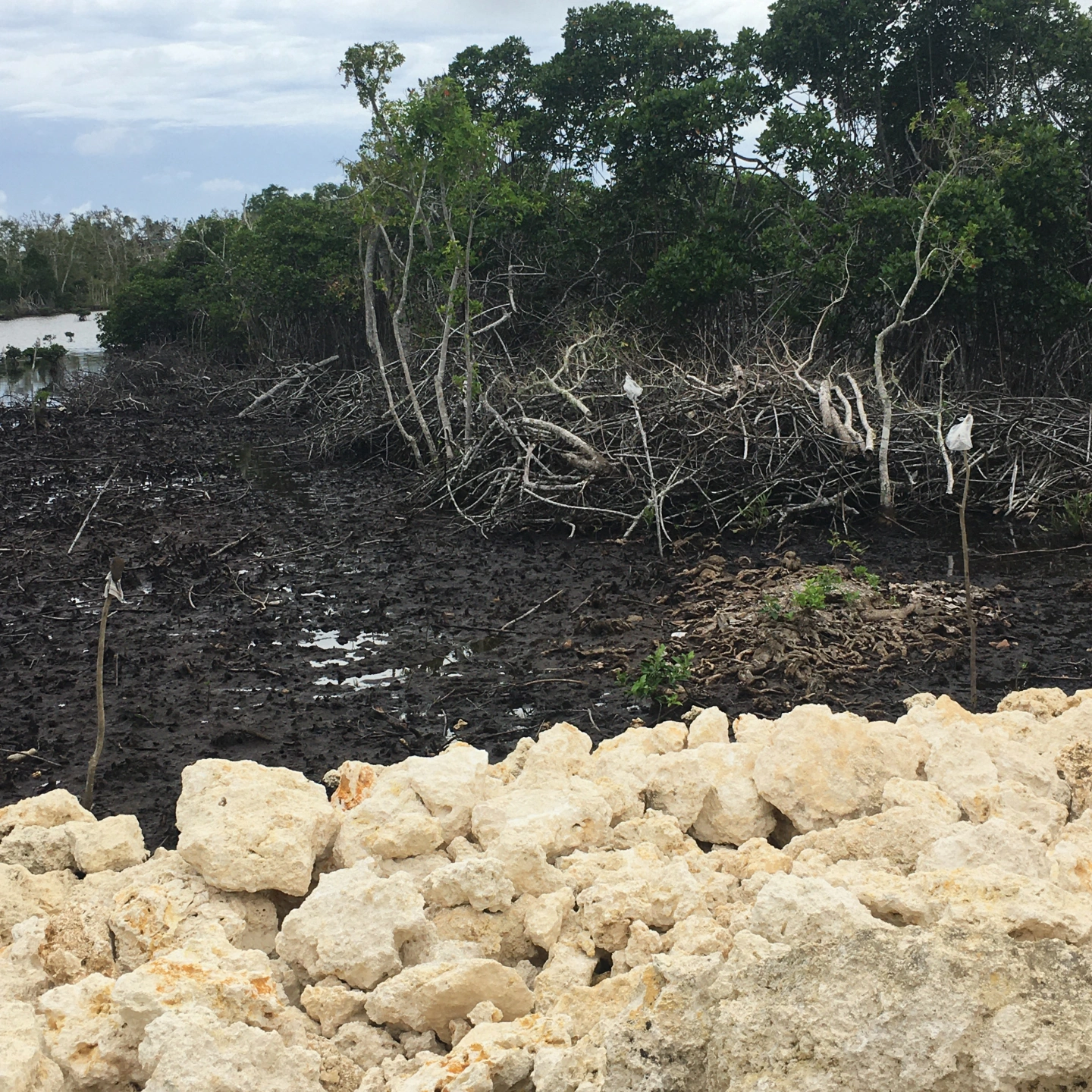
Pacific Island Countries have been here before. Environmental impact assessment (EIA) was built into national planning systems across the region, often without a full understanding of what it would demand of government institutions. The result is familiar to anyone who has worked on Pacific projects: cumulative impacts are poorly understood, environmental and social safeguards issues surface too late, and projects are delayed as problems emerge that should have been identified at the planning stage.
Strategic environmental assessment (SEA) is the next tool on the horizon. SPREP has been consulting on regional SEA guidelines to help Pacific countries adopt it, and international agencies increasingly recognise its value for strengthening sustainability in policy and plan making. My master's research on SEA in Tonga at the University of Otago suggests the region should take a different path this time: understand how decisions are actually made first, then shape the tool to fit.
The climate agenda makes this urgent. SDG 13 on climate action has driven a wave of policies, plans and programmes across the Pacific to mitigate and adapt to climate change. With so many in place, there is a fair question to ask: are they actually solving the climate problem, and how would we know? SEA offers a way to assess the sustainability impacts of these policies together, and to consolidate overlapping plans, rather than adding another layer on top of them.
The Tonga research found that SEA's success will depend on context. The findings echoed international work, notably Polido and colleagues, which argues that SEA can shift decision-making paradigms and support good governance in small islands. But distinctive cultural and temporal factors also emerged. Culture and power relations influence who speaks and who is heard in planning. Planning timelines are often driven by funding cycles, so consultation gets compressed. These are not obstacles to work around. They are the conditions SEA has to be designed for.
Two recommendations follow. First, because SEA is new and not mandatory in Pacific Island Countries, SPREP and international agencies such as the World Bank have an opportunity to introduce it in a form that suits the region's cultural, political and geographic realities, and that supports national sustainable development strategies rather than adding a donor requirement. Second, each country should test SEA against its own policy and planning processes and adapt it accordingly. Without considering social and cultural interplays, power relations and political circumstances, SEA will not be effective.
Done well, SEA can bring coherence to crowded policy landscapes, catch cumulative impacts early, and build in the participation that the SDGs promise. Done as a copy of someone else's system, it risks repeating the EIA experience. The difference lies in starting with the Pacific context.
Dorothy Foliaki, Director, Teulava Consultancy. Based on the MSc thesis "Strategic Environmental Assessment and the Sustainable Development Goals: Lessons from Tonga" (University of Otago, 2020).